As a supplier of magnetic pumps, I often encounter various technical inquiries from customers, and one question that comes up quite frequently is whether magnetic pumps can be connected to a variable-frequency drive (VFD). In this blog, I’ll delve into this topic in detail, exploring the feasibility, benefits, considerations, and potential challenges of using a VFD with magnetic pumps. Magnetic Pump
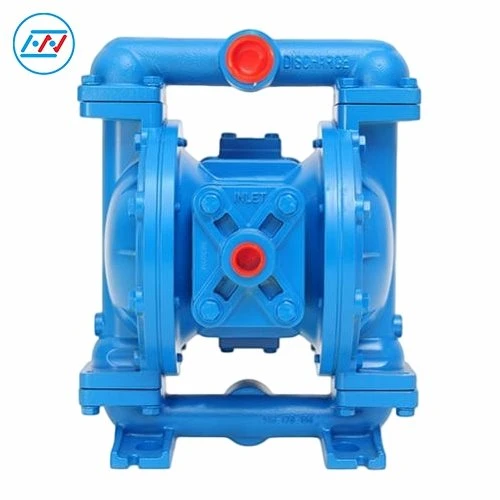
Understanding Magnetic Pumps
Before we discuss the compatibility with VFDs, let’s briefly understand what magnetic pumps are. Magnetic pumps, also known as magnetically coupled pumps, are a type of sealless pump. They use a magnetic coupling to transfer power from the motor to the impeller, eliminating the need for a traditional shaft seal. This design offers several advantages, including leak-free operation, which is crucial in applications where handling hazardous, corrosive, or valuable fluids is required.
Magnetic pumps are widely used in industries such as chemical processing, pharmaceuticals, food and beverage, and water treatment. Their sealless design reduces the risk of environmental contamination and product loss, making them a popular choice for critical applications.
The Function of Variable-Frequency Drives
A variable-frequency drive, also known as an adjustable-frequency drive, is an electronic device that controls the speed of an electric motor by varying the frequency and voltage supplied to the motor. By adjusting the motor speed, a VFD can precisely control the flow rate and pressure of a pump, providing significant energy savings and process control benefits.
VFDs are commonly used in pump systems to match the pump output to the actual process requirements. In many applications, the demand for fluid flow varies over time, and a fixed-speed pump may operate at a constant speed, resulting in over-pumping or energy waste. A VFD allows the pump to operate at an optimal speed, reducing energy consumption and extending the equipment lifespan.
Can Magnetic Pumps Be Connected to a Variable-Frequency Drive?
The answer is yes, magnetic pumps can be connected to a variable-frequency drive. In fact, using a VFD with a magnetic pump can offer several advantages:
Energy Efficiency
One of the primary benefits of using a VFD with a magnetic pump is energy savings. As mentioned earlier, a VFD allows the pump to operate at a variable speed, matching the pump output to the actual process demand. This means that the pump can run at a lower speed when the demand for fluid flow is low, consuming less energy compared to a fixed-speed pump that runs at a constant speed.
According to industry studies, using a VFD in a pump system can result in energy savings of up to 50% or more, depending on the application and the operating conditions. These savings can translate into significant cost savings over the pump’s lifespan, making the investment in a VFD worthwhile.
Process Control
Another advantage of using a VFD with a magnetic pump is improved process control. In many applications, the ability to precisely control the flow rate and pressure of the pump is essential for maintaining product quality and process efficiency. A VFD allows for fine-tuning of the pump speed, enabling operators to adjust the pump output to meet the specific requirements of the process.
For example, in a chemical processing plant, the flow rate of a magnetic pump may need to be adjusted based on the reaction rate or the concentration of the chemicals. A VFD allows for easy and accurate adjustment of the pump speed, ensuring that the process operates within the desired parameters.
Extended Equipment Lifespan
By reducing the mechanical stress on the pump, a VFD can help extend the lifespan of the magnetic pump. A fixed-speed pump operates at a constant speed, which can subject the pump components to high levels of stress and wear over time. In contrast, a VFD allows the pump to start and stop smoothly, reducing the impact on the pump bearings, seals, and other components.
Additionally, by operating the pump at an optimal speed, a VFD can reduce the temperature rise in the pump, which can also help extend the lifespan of the pump components. This can result in lower maintenance costs and fewer pump failures, improving the overall reliability of the system.
Considerations When Connecting a Magnetic Pump to a VFD
While there are many benefits to using a VFD with a magnetic pump, there are also some considerations that need to be taken into account:
Pump Design
Not all magnetic pumps are suitable for use with a VFD. Some magnetic pumps may have design limitations that prevent them from operating at variable speeds. For example, the magnetic coupling in some pumps may be designed to operate at a specific speed range, and operating the pump outside of this range may cause the magnetic coupling to slip or fail.
Before connecting a magnetic pump to a VFD, it’s important to consult the pump manufacturer to ensure that the pump is suitable for use with a VFD. The manufacturer can provide guidance on the recommended speed range, the maximum and minimum frequencies, and any other specific requirements for operating the pump with a VFD.
Heat Generation
Operating a magnetic pump at a lower speed can result in reduced heat generation in the pump. However, when using a VFD, the motor may generate additional heat due to the electronic components in the drive. This additional heat needs to be dissipated properly to prevent overheating of the motor and the pump.
It’s important to ensure that the motor and the VFD are properly sized and that the cooling system is adequate for the application. The manufacturer can provide guidance on the recommended cooling requirements and the proper installation of the motor and the VFD to ensure efficient heat dissipation.
Electrical Compatibility
When connecting a magnetic pump to a VFD, it’s important to ensure that the electrical characteristics of the motor and the VFD are compatible. The VFD needs to be properly configured to match the motor’s voltage, current, and frequency ratings. Incorrect configuration can result in motor damage, reduced performance, or even safety hazards.
It’s recommended to have a qualified electrician or technician install and configure the VFD to ensure proper electrical compatibility and safe operation. The manufacturer can also provide technical support and guidance on the installation and configuration of the VFD.
Potential Challenges
In addition to the considerations mentioned above, there are also some potential challenges that may arise when using a VFD with a magnetic pump:
Harmonic Distortion
VFDs can generate harmonic currents, which can cause harmonic distortion in the electrical system. This harmonic distortion can affect the performance of other electrical equipment connected to the same system and may even cause damage to the equipment.
To mitigate the effects of harmonic distortion, it’s important to use a VFD with built-in harmonic filters or to install external harmonic filters in the electrical system. The manufacturer can provide guidance on the appropriate harmonic filtering requirements for the specific application.
Motor Bearing Damage
The high-frequency voltage and current generated by a VFD can cause electrical discharge machining (EDM) in the motor bearings, leading to premature bearing failure. This is a common problem in VFD applications, especially when the motor is operating at low speeds.
To prevent motor bearing damage, it’s important to use a motor with insulated bearings or to install bearing protection devices, such as shaft grounding rings or bearing isolators. The manufacturer can provide guidance on the appropriate bearing protection measures for the specific application.
Conclusion
In conclusion, magnetic pumps can be connected to a variable-frequency drive, and using a VFD with a magnetic pump can offer significant benefits, including energy savings, improved process control, and extended equipment lifespan. However, it’s important to consider the pump design, heat generation, electrical compatibility, and potential challenges when using a VFD with a magnetic pump.

As a magnetic pump supplier, we have extensive experience in providing solutions for various applications. If you’re considering using a VFD with a magnetic pump for your application, we’d be happy to assist you. Our team of experts can help you select the right pump and VFD combination, provide technical support, and ensure a successful installation.
Peristaltic Hose Pump If you have any questions or would like to discuss your specific requirements in more detail, please don’t hesitate to contact us. We look forward to the opportunity to work with you and help you optimize your pump system.
References
- "Magnetic Drive Pumps: Principles, Applications, and Design," Chemical Engineering Progress, Volume 112, Issue 6, 2016.
- "Variable Frequency Drives: A Guide to Energy Efficiency and Process Control," IEEE Industry Applications Magazine, Volume 22, Issue 4, 2016.
- Engineering Toolbox website for general pump and VFD technical information.
Shaanxi Hono Electronic Technology Co., Ltd.
We are one of the most professional magnetic pump manufacturers and suppliers in China, featured by quality products and good price. With abundant experience, we warmly welcome you to buy customized magnetic pump made in China here from our factory. If you have any enquiry about quotation, please feel free to email us.
Address: 4C-1102, Financial Port, No. 1 West 1st Road, Fengjing Avenue, Fengdong New Town, Xi’an, Shaanxi, China
E-mail: juicy@honopump.com
WebSite: https://www.honopump.com/
