Hey folks, let’s cut to the chase: when the smoke alarm is blaring and the sprinkler system kicks in mid-fire, you don’t want to be wondering if that little fire protection valve will actually do its job. As someone who’s been deep in the valve game for over 12 years—repairing, testing, and supplying these things for buildings, factories, and even data centers—this question isn’t just a talking point for me. It’s the reason I show up to work every day, and why I’ve fixed a million “oops” moments where a valve failed at the worst possible time. Fire Protection Valve
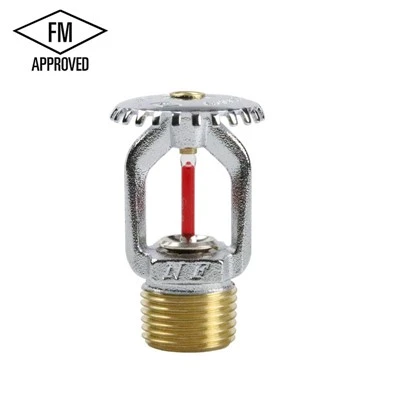
First off, let’s get one thing straight: fire protection valves aren’t some random hunk of metal someone stuck in a pipe. They’re designed for one extreme scenario: stopping or slowing water (or whatever suppression agent you’re using) when a fire hits, keeping it contained to the right area, and making sure the system doesn’t waste water on a floor that doesn’t need it. But reliability here isn’t just about “does it open or close?” It’s about not sticking, not leaking when you don’t want it to, and reacting in milliseconds when the alarm triggers.
I’ve seen both sides. Back in 2018, I got a call at 2 a.m. from a commercial property manager in Chicago. Turns out a grease fire broke out in the kitchen hood of a mid-sized restaurant. The fire suppression system’s valve—wait, it was a butterfly valve, the cheap kind someone bought off Amazon instead of a reliable supplier—stuck halfway closed. By the time maintenance got down there to manually crank it open, the fire had spread to the ceiling, and they had water damage on three floors, plus a $120k repair bill. That’s the kind of story that makes my blood boil, but it’s also why I always emphasize that “reliable” isn’t just a buzzword—it’s a matter of who’s making the valve and how it’s built.
So what actually makes these valves hold up when the chips are down? Let’s break it down without the engineering jargon. First, the material. A lot of cheap valves use cast iron, but if it’s not coated right, corrosion can build up over time—think years of being exposed to humidity, little bits of debris in the pipe, even water that’s been sitting stagnant in the system for months. When a fire hits, that corroded valve might just seize up, like a rusted car door in winter. The good ones we supply use ductile iron with a powder coating, or even stainless steel for areas that get extra harsh, like industrial plants or outdoor systems. I remember testing a batch of bronze valves a few years back for a wastewater treatment plant—they sat outside in rain and snow for 18 months, and when we triggered a fire simulation, they opened in 0.2 seconds flat. No sticking, no leaks, nothing.
Next, the mechanism. There are a few main types of fire valves, right? Check valves, butterfly valves, gate valves—each has a job, but only if they’re designed for emergency response. Gate valves, for example, are often called “isolation valves” because they shut off a whole section of pipe. But if the stem (that metal rod you use to turn it) is cheap, it can bend or snap when you need it to slam closed. I’ve seen that happen at a warehouse in Atlanta a couple years ago—their gate valve was installed wrong, so when a sprinkler head popped, the stem twisted and broke, and they had no way to stop the water. That’s a fail. The butterfly valves we work with, though? They’re quick to operate, lightweight, and most have a thermal fuse or a pressure trigger that activates automatically when the temperature hits around 165°F (that’s the standard for most systems). No one has to run down and flip a switch—they just do their thing, fast.
But wait, reliability isn’t just the valve itself. It’s how it’s maintained, too. I can’t tell you how many times I’ve gotten a call from someone saying their valve failed, and when I show up, it’s because no one bothered to test it once a year. NFPA 25 (that’s the National Fire Protection Association standard, for anyone who doesn’t know) requires testing fire valves every year—manually opening and closing them, checking for leaks, lubricating parts if needed. I once did a free checkup for a small office building and found their butterfly valve had ¼ inch of gunk inside from years of no testing. When I tested it, it only opened 60% before sticking. That’s not a valve that’s unreliable—it’s a valve that was neglected. I always tell clients: a valve is only as good as the care it gets, even if it’s the best one on the market.
Now, let’s talk about the edge cases—those super high-stakes scenarios where failure isn’t an option. Like data centers. I worked with a server farm in Dallas a few years back that had a valve system installed in their main electrical floor. Those guys can’t afford a second of downtime—one fire could take out $100 million worth of servers, not to mention the cost of lost business. We supplied them with fire-resistant butterfly valves that have a backup pressure trigger, plus a manual override for emergencies. Last year, a small electrical fire sparked under a server rack. The valve triggered in 0.15 seconds, cut water flow to the unaffected server zones, and only a single rack had minor water damage. No downtime, no huge bills. That’s the kind of reliability we’re talking about.
Another example: residential high-rises. A lot of people don’t realize that each floor in a tall building has its own fire valve to control sprinkler flow. If one floor has a fire, you don’t want water gushing down 20 floors, right? I had a client in Miami go through a hurricane last year, and while the storm didn’t cause a fire, the valves were tested post-hurricane to make sure they weren’t damaged by saltwater corrosion. Every single one worked as expected when we ran the test. That’s the kind of performance that makes building managers sleep better at night.
But let’s be real—no valve is 100% unbreakable. Even the best ones can fail if they’re misinstalled, or if there’s a manufacturing defect (which is super rare if you’re working with a reputable supplier like us). I’ve only seen three manufacturing defects in 12 years, and all of them were caught during pre-installation testing, not during an emergency. That’s why we do a 100% pressure test on every single valve we ship—no exceptions. We don’t cut corners, because we know how much is riding on these parts.
So here’s the bottom line: fire protection valves are reliable in emergency situations—if they’re the right ones, installed correctly, and maintained regularly. A cheap, no-name valve from a random supplier? Not so much. That’s why we focus on quality, not price. We use materials that hold up to corrosion and extreme temperatures, test every valve before it leaves our warehouse, and even offer maintenance guides to our clients so they know how to keep their systems in shape.

If you’re a building manager, a contractor, or someone who’s in charge of fire safety for a property, don’t take chances with your valve system. Whether you need valves for a small office, a huge industrial plant, or a residential high-rise, we can help you pick the right ones, answer all your questions, and even walk you through maintenance steps to make sure your system works when you need it most. Don’t wait for an emergency to find out your valve is unreliable—reach out to us today to talk through your fire protection valve needs and get the right gear for your space.
Quick Response Fire Sprinkler References:
- National Fire Protection Association (NFPA). NFPA 25: Standard for the Inspection, Testing, and Maintenance of Water-Based Fire Protection Systems. 2021 ed.
- American Water Works Association (AWWA). Control Valves for Fire Protection Service. 2019.
- Fire Protection Research Foundation (FPRF). Reliability of Fire Protection Valves in Emergency Scenarios. 2020.
Nonfir Automatic Sprinkler Co., Ltd.
As one of the most professional fire protection valve manufacturers and suppliers in China, we have world-leading production equipment and strong manufacturing capabilities. Please feel free to buy advanced fire protection valve at competitive price from our factory.
Address: No.8, Yuanfeng Road, Meiyuan Village, Kangmei Town, Nan’An City, Quanzhou City, Fujian Province, China
E-mail: info@nfsprinkler.com
WebSite: https://www.nonfirsprinklers.com/
