Hey there, if you’re running a wheel excavator business—whether you’re on construction sites, digging trenches for utilities, or landscaping big residential projects—you know your hydraulic pump is the unsung hero of that machine. Last month, I had a chat with a guy who runs three wheel excavators for a local infrastructure crew, and he told me his number one headache was a pump that crapped out halfway through a job. Turned out he skipped basic maintenance, and by the time he called me (I’m with a wheel excavator supplier, by the way), his repair bill was more than a month’s worth of his smallest machine’s rental. That’s when I realized most operators don’t get that hydraulic pump maintenance isn’t rocket science—it’s just consistent, small steps that save you from big, costly headaches later. I’m gonna break this down like I’d talk to a buddy who’s just picked up his first wheel excavator from our lot, no fancy jargon, just stuff that actually works. Wheel Excavator
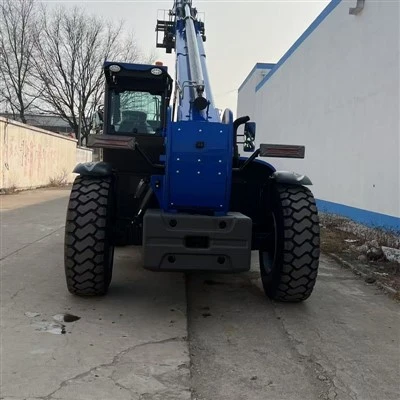
First off, let’s keep it real: your hydraulic pump doesn’t need hourly teardowns. But it does need daily, weekly, and monthly checks that take 10 minutes max. I see guys show up to a site, fire up the excavator, and go straight to digging—no pre-checks, no care. That’s how you catch a tiny leak that turns into a pump seize mid-job. Let’s start with the daily stuff, because that’s non-negotiable before you even turn the key. When you do your walkaround, first check the hydraulic fluid level and condition. A lot of new operators just look at the dipstick and go “cool, it’s on the line,” but that’s only half the battle. You gotta check how the fluid looks, too. If it’s dark brown, smells burnt, or has tiny metal shavings in it (you can dab a clean rag on the dipstick and hold it up to the light), that’s red flag city. Burnt fluid means the pump’s working harder than it should, and metal shavings? That’s pump parts wearing down, so you need to take action pronto. Also, don’t overfill the reservoir—hydraulic fluid expands when it warms up, so if it’s above the “hot” line before you start, you’ll blow seals and cause leaks. I see this all the time with new owners, so don’t skip that part.
Next daily check: the connections around the pump itself. It’s mounted on the engine, right? So hoses and fittings there get vibrated nonstop from moving around on rough sites. Run your hand along each hose—if you feel any dampness, that’s a leak. Small leaks might seem like no big deal, but over a week, that’s a gallon of fluid gone, and the pump has to work harder to make up for it, which wears it out faster. Also, make sure the mounting bolts are tight. I’ve had operators tell me their pump started making a weird grinding noise, and when we looked, the mounting bolts had worked loose from driving over a dirt road to the next site. That misalignment put extra stress on the pump, and they would’ve had to replace the whole thing if they kept going another day. Daily checks take 5 minutes, guys—worth every second.
Now, weekly maintenance, which is a little more in-depth but still super easy. First, change the hydraulic fluid and filter. Wait, I know, everyone hates changing fluid— it’s messy, it’s time-consuming, but listen: your pump’s life depends on clean fluid. I recommend changing the fluid every 500 operating hours, not just the “once a year” the manual says (manufacturers often play it safe, but on a workhorse wheel excavator that’s running 10+ hours a day, 500 hours is about two months, so don’t wait). When you change it, make sure you use the exact fluid the supplier recommends—don’t grab whatever’s on sale at the parts store. Using the wrong viscosity fluid is like putting thin oil in a cold engine; it doesn’t lubricate the pump right, and it will cause wear. Also, when you replace the filter, don’t just pop in any generic filter. The right filter keeps tiny particles out of the pump that can scratch the inner parts. A cheap filter might not catch those, and over time, those scratches will make the pump less efficient and eventually fail. Another weekly thing: clean the pump’s cooling fins. Wheel excavators get covered in mud, dust, and concrete dust on sites, right? Those particles clog the fins around the hydraulic pump, so it can’t cool down properly. If the pump runs hot, the fluid breaks down faster, and the pump’s seals and bearings wear out way quicker. Grab a pressure washer (on low pressure, don’t blast it too hard) and rinse off the fins every week—just make sure the excavator’s turned off and cool so you don’t get water in any electrical parts. I had a customer last year who skipped this, and his pump seized because it ran hot for two weeks straight—cost him $8k to replace the pump, and he missed a big job because he didn’t plan for it. Ouch.
Monthly maintenance is where you catch small issues before they become disasters. First, check the pump’s pressure. Every wheel excavator has a pressure gauge (or a port you can hook a gauge up to) on the hydraulic system. You should check the pressure when the machine’s under load—like when you’re lifting a full bucket of dirt. If the pressure is lower than what the machine’s specs say, that means the pump isn’t pushing enough fluid, which can make the excavator slow and put extra strain on the engine. Low pressure is often from a worn pump or a leak in the lines, so catching it monthly means you can fix it with a $50 seal instead of a $5k pump. Another monthly thing: inspect the pump’s bearings. Most guys don’t think about bearings, but they take a beating from all the vibration on a wheel excavator. You can spin the pump’s drive shaft (make sure the key’s off, so it doesn’t start) by hand—if there’s any grinding or stiffness, the bearings are going bad. Replace them early, and you avoid a pump failure mid-job. Also, check the hydraulic tank’s breather cap. That little cap lets air in and out as fluid levels change, but if it’s clogged with dust and dirt, it creates a vacuum in the tank, which makes the pump work harder to pull fluid. Clean the breather with a soft brush every month—super simple, and it makes a big difference.
Wait, let’s talk about things you should never do, because I see these mistakes all the time from new operators. First, don’t use contaminated fluid. I get it, dumping old fluid and refilling from a dirty bucket is easy, but even a tiny bit of dirt in the new fluid can scratch the pump’s inner cylinders. Always make sure the top of the fluid reservoir is clean when you fill it, and never pour from a container that’s been sitting open on a site. Second, don’t ignore weird noises. If your pump starts making a high-pitched whine or a grinding sound, don’t wait until it stops working. That’s your pump screaming for help, and fixing it when it’s making noise is way cheaper than replacing it. Third, don’t skip the warm-up period. I know, when you’re on a tight schedule, firing up the excavator and going straight to digging seems like the only way to hit your deadline. But cold hydraulic fluid is thick, so when you fire up the pump, it has to work extra hard to move that thick fluid. Let it idle for 5-10 minutes on cold days, so the fluid warms up and the pump gets lubricated properly. Last winter, I had a customer in a snowy area who skipped warm-up, and his pump seized because the thick fluid didn’t circulate right—he was stuck on a residential lot with no way to move his excavator until a tow truck brought a new pump. Saved himself 10 minutes, lost a whole day of work. Not worth it.
Also, let’s talk about storage, because a lot of guys park their excavators for weeks between jobs, especially in winter or during rainy seasons. If you’re storing your wheel excavator, don’t just turn it off and walk away. First, run the pump for 10 minutes every couple of weeks to keep the fluid circulating and the bearings lubricated. Drain a little old fluid and top it up with fresh fluid if it’s low, and make sure the pump’s hoses are covered so dust and dirt don’t get in. I had a contractor who stored his excavator for three months after a big job, and when he fired it up, the pump had corrosion because water had gotten into the fluid. Fixing that cost him more than storing it properly would’ve.
At the end of the day, maintaining your hydraulic pump isn’t about doing complicated stuff—it’s about being consistent. I see so many operators wait for the pump to break before they do anything, and that’s when they get stuck with repair bills that eat into their profits. Our team works with wheel excavator operators every day, whether they’re just starting out or have 10 machines in their fleet, and the ones who follow these simple steps have 30% less downtime and spend way less on repairs.

If you’ve got a wheel excavator that’s been acting up, or you’re looking to buy a new one and want to make sure you’re set up for success, hit us up. We can walk you through the exact maintenance schedule for your specific machine, answer any questions you’ve got about hydraulic pumps, or help you pick out a wheel excavator that fits your jobs and budget. Don’t wait until your pump craps out mid-job—take care of it now, and it’ll take care of you for years to come.
Loader References:
- Hydraulic System Maintenance Guidelines for Mobile Construction Equipment, National Fluid Power Association
- Operator’s Manual for Wheel Excavators, International Construction Equipment Manufacturers Association
- Field Study on Hydraulic Pump Wear in Heavy Construction Machinery, Journal of Construction Equipment Maintenance (2022)
Shandong Feisite Machinery Co., Ltd.
As one of the most professional wheel excavator manufacturers and suppliers in China, we’re featured by quality products and good service. Please rest assured to buy cheap wheel excavator made in China here and get quotation from our factory. Customized orders are welcome.
Address: 100 meters south of Zengfusi Village, Mihe Town, Qingzhou City, Shandong Province
E-mail: Wpeng19911103@qq.com
WebSite: https://www.shandongfeisite.com/
