Hey there! I’m a supplier of steel wire, and I’ve seen my fair share of coiled steel wire. You know, when you get a big coil of steel wire, it’s not always in the straight state you need for your projects. So, I thought I’d share some tips on how to straighten a coiled steel wire. Steel Wire

Why Do We Need to Straighten Coiled Steel Wire?
First off, let’s talk about why straightening is important. In a lot of applications, like construction, manufacturing, or even some DIY projects, you need straight steel wire. Coiled wire is great for storage and transportation, but when it comes to using it, a straight wire is often required. For example, if you’re making a wire fence, a straight wire will give you a neat and professional look. If you’re using it in a manufacturing process, a straight wire ensures accurate measurements and better quality products.
Tools You’ll Need
Before we get into the actual straightening process, let’s go over the tools you’ll need.
- A vice: This is a must-have. It’ll hold the wire firmly in place so you can work on it. You can get a bench vice if you’re working in a workshop, or a smaller handheld vice if you’re doing it on the go.
- A hammer: A good, solid hammer is useful for tapping the wire into shape. You don’t need a heavy-duty one, just a regular claw hammer will do.
- A pair of pliers: Pliers are great for gripping the wire and making small adjustments. You can use needle-nose pliers for more precise work.
- A straight edge: This could be a metal ruler or a piece of straight metal. It’ll help you check if the wire is straight as you’re working on it.
Step-by-Step Guide to Straightening Coiled Steel Wire
Step 1: Secure the Wire
The first thing you need to do is secure one end of the coiled wire in the vice. Make sure it’s held tightly so it doesn’t move around while you’re working on it. If the wire is too long, you might want to cut it to a manageable length first.
Step 2: Start Uncoiling
Once the wire is secured, start gently uncoiling it. You can use your hands to pull the wire out of the coil. Try to do it slowly and evenly to avoid kinks. If there are any tight coils, you can use the pliers to gently straighten them out.
Step 3: Straighten the Wire with a Hammer
After you’ve uncoiled the wire, it might still have some curves. This is where the hammer comes in. Place the wire on a flat surface, like a workbench, and use the hammer to tap the wire along its length. Start from one end and work your way to the other. Tap gently at first, and gradually increase the force if needed. Use the straight edge to check if the wire is straight as you go.
Step 4: Make Fine Adjustments
Even after using the hammer, the wire might not be perfectly straight. That’s when you use the pliers to make fine adjustments. Grab the wire with the pliers and gently bend it in the areas where it’s still curved. Be careful not to over-bend it, or you’ll create new kinks.
Step 5: Check the Straightness
Once you think you’ve straightened the wire, use the straight edge again to double-check. Place the straight edge along the wire and look for any gaps. If there are still some curves, go back and make more adjustments with the pliers.
Different Types of Steel Wire and Straightening Methods
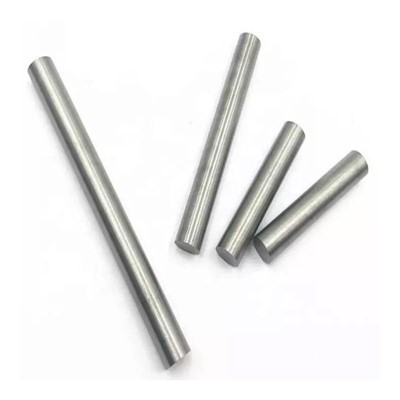
Not all steel wire is the same, and different types might require different straightening methods.
- Soft steel wire: This type of wire is relatively easy to straighten. You can usually use the methods I described above without too much trouble.
- Hard steel wire: Hard steel wire is more difficult to straighten. You might need to use a heat treatment process to make it more malleable. Heating the wire to a specific temperature and then allowing it to cool slowly can make it easier to straighten. However, this process requires some knowledge and experience, so if you’re not sure, it’s best to consult a professional.
Tips and Tricks
- Work in small sections: If the wire is long, it’s easier to straighten it in small sections. This way, you can focus on getting each section straight before moving on to the next one.
- Use lubrication: If the wire is particularly stubborn, you can use a little bit of lubricant, like oil or grease, to make it easier to straighten. Just apply a small amount to the wire and work it in with your hands.
- Be patient: Straightening steel wire takes time and patience. Don’t rush the process, or you might end up with a wire that’s still not straight.
Conclusion
Stainless Steel Strip So, there you have it! That’s how you straighten a coiled steel wire. Whether you’re a professional in the construction or manufacturing industry, or just a DIY enthusiast, these tips should help you get the job done. And if you’re in the market for high-quality steel wire, look no further. As a steel wire supplier, I can provide you with a wide range of steel wire products to meet your needs. If you’re interested in purchasing steel wire, feel free to reach out and start a conversation. We can discuss your specific requirements and find the perfect solution for you.
References
- "Steel Wire Handbook" – A comprehensive guide on steel wire properties and applications.
- "Metallurgy of Steel" – Provides in-depth knowledge about the properties of different types of steel, which is useful for understanding the straightening process.
Shanxi Midas Industrial Co., Ltd.
We’re known as one of the most professional steel wire manufacturers and suppliers in China. With abundant experience, we warmly welcome you to buy cheap steel wire made in China here from our factory. For price consultation, contact us.
Address: 28th, Huanqiu Jinrong Zhongxin, Xieyuan Road, Changfeng Business District, Taiyuan City, Shanxi Province, China
E-mail: midassteel@163.com
WebSite: https://www.midassteel.com/
