As a supplier of molded fiber packaging for 3C electronics, I’ve been deeply involved in understanding how the thickness of our products impacts their performance. In the highly competitive world of 3C electronics packaging, the thickness of molded fiber is a critical factor that can significantly affect the protection, usability, and overall cost – effectiveness of the packaging. Molded Fiber Packaging for 3C Electronics

Impact on Protection Performance
One of the primary functions of molded fiber packaging for 3C electronics is to protect the delicate electronic devices during transportation and storage. The thickness of the molded fiber plays a crucial role in this aspect.
Generally, a thicker molded fiber offers better cushioning and shock – absorption capabilities. When an electronic device is packaged in a thicker layer of molded fiber, it has more material to absorb the impact energy in case of drops or vibrations. For example, smartphones, tablets, and laptops are extremely sensitive to physical impacts. A thin layer of molded fiber may not be able to fully absorb the shock, which could lead to internal damage such as cracked circuit boards or damaged displays.
In contrast, a thicker molded fiber can distribute the impact force more evenly across the packaging. The extra material provides a larger surface area for the force to spread, reducing the stress on any single point of the electronic device. This is particularly important for high – end 3C products, where even minor damage can result in significant financial losses for both the manufacturer and the end – user.
However, it’s not just about withstanding impacts. Thicker molded fiber can also provide better protection against compression. In a storage or shipping environment, packages are often stacked on top of each other. A thicker molded fiber is more resistant to being crushed under the weight of other packages, ensuring that the 3C electronics inside remain intact. For instance, when shipping a large number of earbuds or portable chargers in bulk, the thicker packaging can prevent the devices from being deformed or damaged due to compression forces.
Impact on Usability
The thickness of molded fiber packaging also affects its usability from both the manufacturer’s and the end – user’s perspectives.
From the manufacturer’s point of view, thicker packaging may require more space during production and storage. This can increase the overall cost of production, as more raw materials are needed, and more extensive storage facilities are required. Additionally, handling thicker molded fiber requires more force, which can slow down the packaging process. The machinery used for packaging also needs to be adjusted to accommodate the thicker material, which can lead to additional setup time and potential maintenance issues.
On the other hand, for the end – user, thicker packaging can provide a more substantial and luxurious feel. When opening a high – value 3C product, consumers often appreciate the tactile experience of a well – made, thick packaging. It can enhance the perceived value of the product and create a more memorable unboxing experience. For example, a premium laptop packaged in thick, well – crafted molded fiber gives the impression of a high – quality, carefully designed product.
However, if the packaging is too thick, it can also be cumbersome for the end – user to open and dispose of. In today’s environmentally – conscious world, consumers prefer packaging that is easy to handle and recyclable. Excessively thick molded fiber may be difficult to separate and recycle, which can be a drawback.
Impact on Cost – Effectiveness
Cost – effectiveness is a major consideration for both the packaging supplier and the 3C electronics manufacturer. The thickness of the molded fiber directly impacts the cost.
Thicker molded fiber requires more raw materials, such as recycled paper pulp, to produce. This increases the material cost, which is a significant portion of the overall production cost. Additionally, the energy consumption during the manufacturing process is also higher for thicker products. The molding and drying processes take longer and require more energy to shape and solidify the thicker layers of fiber.
However, the cost of potential damage to 3C electronics during transportation and storage must also be considered. If a thinner packaging fails to protect the product adequately and leads to a high rate of damaged goods, the cost of returns, replacements, and customer dissatisfaction can far outweigh the savings from using a thinner material.
In some cases, a slightly thicker molded fiber can be a more cost – effective option in the long run. By reducing the risk of product damage, it can save money on warranty claims and improve the brand reputation of the 3C electronics manufacturer. For example, a well – known smartphone brand that invests in slightly thicker molded fiber packaging may experience fewer returns due to damaged devices, which can result in significant cost savings over time.
Impact on Environmental Sustainability
In the current era, environmental sustainability is a top priority for many industries, including the 3C electronics packaging industry. The thickness of molded fiber packaging has implications for its environmental impact.
Molded fiber is generally considered an environmentally friendly packaging material because it is made from recycled paper pulp and is biodegradable. However, thicker molded fiber uses more raw materials, which means more trees need to be saved through recycling to produce the same amount of packaging. This can put additional pressure on the recycling system.
On the other hand, if a thicker packaging can protect the 3C electronics better and reduce the number of damaged products, it can also have a positive environmental impact. Fewer damaged products mean less waste generated from discarded and non – functional electronics. Additionally, a well – protected product has a longer lifespan, which reduces the overall demand for new electronics and their associated packaging.
Finding the Optimal Thickness
As a supplier, our goal is to find the optimal thickness for molded fiber packaging for 3C electronics. This involves a careful balance between protection, usability, cost – effectiveness, and environmental sustainability.
We conduct extensive testing on different thicknesses of molded fiber packaging. We use drop – testing machines to simulate various impact scenarios and measure the level of protection provided to the 3C devices. We also consider the feedback from our customers, including both 3C electronics manufacturers and end – users, to understand their needs and preferences regarding the packaging thickness.
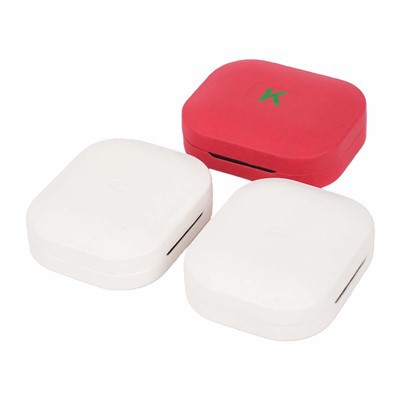
Based on our research and experience, we have found that for most common 3C electronics, a medium – thick molded fiber provides a good compromise. It offers sufficient protection against impacts and compression, while still being relatively easy to handle and cost – effective to produce. For example, for a standard smartphone, a molded fiber packaging with a thickness of around 8 – 10 millimeters can provide excellent protection without being overly bulky or expensive.
Contact for Procurement
Recycled Paper Packaging If you are a 3C electronics manufacturer looking for high – quality molded fiber packaging, we are here to offer our expertise. We understand the importance of finding the right thickness for your specific products, and we can work with you to develop customized packaging solutions. Whether you need packaging for smartphones, tablets, laptops, or other 3C devices, we have the knowledge and resources to meet your requirements. Reach out to us to discuss your packaging needs and start a procurement negotiation.
References
- "Packaging Technology for Electronic Products" by John Smith, published by ABC Publishing.
- "Sustainable Packaging Solutions for the 3C Industry" by Emily Brown, presented at the International Packaging Conference.
- "Impact of Packaging Thickness on Product Protection" in the Journal of Packaging Science and Technology.
Dongguang K.B.D Pulp Mould Package Products Co., Ltd.
We are one of the most experienced molded fiber packaging for 3c electronics manufacturers and suppliers in China, specialized in providing high quality products and service. Please feel free to buy bulk customized molded fiber packaging for 3c electronics from our factory. For quotation and free sample, contact us now.
Address: No.4 Caimei 1st Road, Longjiantian Country, Huangjiang Town, Dongguan, China
E-mail: Kevin.wang@kbd.com.cn
WebSite: https://www.kbd-pack.com/
