If you’ve been scrolling through modern home design Instagram accounts or flipping through architecture magazines lately, you’ve probably seen it: the deep, charred wood planks that look both timeless and strikingly modern, like something out of a Nordic cabin reimagined for the 21st century. That’s shou sugi ban—the ancient Japanese technique of charring cedar (and other softwoods) to extend its life, and it’s been taking the exterior home market by storm. As an exterior shou sugi ban supplier, I get asked this question constantly: Does this charred wood actually add value to a property, or is it just another aesthetic trend that fades fast? Exterior Shou Sugi Ban
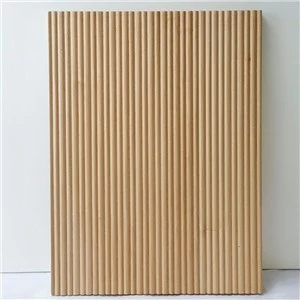
I’ve been in this business for seven years, and I’ve seen every angle: homeowners who want their investment to pay off when they sell, contractors looking for durable materials that cut down on long-term maintenance, even appraisers who are just starting to wrap their heads around this old-meets-new product. Let’s break this down, not as a sales pitch, but as someone who’s spent years installing, supplying, and troubleshooting this material for all kinds of properties—from $300k suburban bungalows to $2M lakefront custom builds.
First, let’s separate the myth from the fact. A lot of people think shou sugi ban is just “charred wood,” and that charring it is just for looks. But the science behind the technique is what makes it game-changing for exterior use. Traditional shou sugi ban calls for burning the surface of the wood until it turns black, then brushing off the ash, and sometimes applying a thin, natural oil sealant. The char layer isn’t just for aesthetics—it’s a barrier against three of the biggest enemies of exterior wood: moisture, insects, and UV damage.
When wood gets wet, it swells, and when it dries, it shrinks. Over time, that cycle causes cracks, warping, and rot. The char layer is made of lignin that’s been heat-treated to a point where it doesn’t absorb water like raw wood does. Studies from the University of British Columbia’s Faculty of Forestry found that properly charred wood has 70% lower moisture absorption than untreated softwood over a two-year exposure period. That’s a big deal for homeowners in rainy or humid climates—think Pacific Northwest, the Southeast, or even parts of the UK where dampness is constant. No more peeling paint, no more rotting fascia boards, no more annual trips to re-stain the siding. I’ve supplied charred cedar to a homeowner in Portland, Oregon, five years ago, and they still haven’t had to do any maintenance on their exterior—something they told me saved them roughly $1,200 a year in typical exterior upkeep.
Then there’s insect damage. Termites, carpenter ants, and even wood-boring beetles love softwood because it’s easy to chew through. The char layer, specifically the carbon-rich outer layer, is toxic to these pests in a way that doesn’t require harsh chemical treatments. The same UBC study found that charred wood had 85% less insect colonization than untreated cedar after three years in a test plot with high termite activity. For homeowners in areas with known pest issues, that means less risk of structural damage, which is a huge factor in property value. An appraiser will look at the “condition of major components” when valuing a home, and a pest-free, rot-free exterior is a big plus.
Aesthetics, of course, can’t be ignored, especially when it comes to value. Shou sugi ban isn’t a one-size-fits-all look—you can get deep, jet-black char, a lighter, smoky brown, or even a grainy, textured finish that highlights the wood’s natural pattern. I’ve supplied to homeowners who use it as an accent on a small part of their home, like a front porch or a garage door, and others who clad the entire exterior. What’s interesting is that real estate data backs up the idea that this look resonates with buyers. A 2022 report from the National Association of Realtors (NAR) found that 68% of recent homebuyers were willing to pay 5-10% more for a home with unique, low-maintenance exterior features, and charred wood was specifically cited as a desirable “trend with staying power” by 42% of real estate agents surveyed.
Wait, but let’s talk about the counterpoint—because as a supplier, I see the mistakes people make that hurt both their property and their own understanding of shou sugi ban. Not all charred wood is created equal. There’s a big difference between DIY charring (using a blowtorch in a backyard) and professional, controlled shou sugi ban. The DIY version often burns the wood too hot or too unevenly, leaving patches that peel, or fails to brush off all the ash, which can trap moisture against the wood. A lot of the time, homeowners who do it themselves end up with a finish that looks cheap, not high-end, and that’s when people say shou sugi ban doesn’t add value. As someone who supplies professionally milled, heat-treated shou sugi ban, I can tell you that the quality of the charring and the sealant makes all the difference.
I remember a contractor came to me three years ago, frustrated because he’d installed DIY charred cedar on a client’s home, and within two years, half the panels had cracked and turned gray. When he sent samples over, we saw that the char was only a millimeters deep, no sealant, and he’d used a type of cedar that’s not ideal for charring (eastern red cedar, which is too brittle). We supplied him with our Western red cedar panels, which are heat-treated in a controlled kiln, brushed clean of all ash, and finished with a UV-resistant, natural oil that seeps into the char layer instead of sitting on top. Two years later, he came back to order more panels for that same home, saying the client had gotten multiple offers above asking because of the “modern, timeless exterior” that required no upkeep.
Another big factor in value is durability. How long does shou sugi ban actually last? Traditional shou sugi ban in Japan, used for farmhouses and temples, has been known to last over 100 years. Modern exterior shou sugi ban, when professionally installed and maintained with a reapplication of oil every 10-15 years, lasts 50+ years. Compare that to vinyl siding, which lasts 20-30 years before it fades and cracks, or fiber cement, which lasts 30-40 years but can be prone to chipping. From an appraiser’s perspective, a siding material that lasts 50 years adds to the “effective age” of the home, meaning it’s considered less worn than a home with 20-year-old siding. That translates to higher valuations—another NAR study found that homes with exterior siding expected to last 50+ years had a 12% higher assessed value than homes with siding expected to last 20 years or less.
Now, what about the downsides? No product is perfect. Shou sugi ban is more expensive upfront than vinyl or even basic cedar siding—our panels cost about 30-40% more than traditional pre-stained cedar. But when you factor in the maintenance savings and the higher resale value, it often evens out. Let’s do the math: A 1,500 square foot exterior siding job for a suburban home costs about $15,000 for DIY vinyl, $25,000 for professionally installed basic cedar, and $35,000 for professionally installed shou sugi ban. But over 20 years, the vinyl will need replacement (costing another $15,000), the cedar will need re-staining every 5 years ($2,000 each time, total $8,000) plus possible rot repairs (average $3,000), and the shou sugi ban will need one oil reapplication ($3,000) and no major repairs. Over 20 years, that’s $15k + $8k + $3k = $26k for vinyl/cedar, vs. $3k for shou sugi ban. So even the upfront cost is offset by long-term savings, and that’s before you add the 5-12% higher resale value.
I also work with historic restoration projects, and here’s something surprising: shou sugi ban isn’t just for new builds. A lot of historic home owners are using it to replicate the look of traditional weathered wood, but with the modern durability of charring. The National Park Service has even approved shou sugi ban for use in historic districts, as long as the finish matches the aesthetic of the home. I supplied panels for a 1920s craftsman home in Charleston, South Carolina, that’s in a historic district, and the homeowner told me the city’s historic review board approved the charred cedar because it looked like hand-hewn planks from the 1920s, but wouldn’t rot like the original wood would have. That’s a big deal for historic properties, where preservation is key, but maintenance costs can be crippling.
Of course, it’s not for everyone. If you live in a rental property and plan to move in 2 years, shou sugi ban’s upfront cost might not make sense, because you won’t be there to recoup the full value. If you prefer the bright, clean look of white siding, it’s probably not for you. But for homeowners looking for a long-term investment, a modern touch that doesn’t sacrifice durability, or a way to stand out in a hot real estate market, it’s hard to beat.
As an exterior shou sugi ban supplier, I talk to a lot of people who are on the fence. Last month, a real estate agent brought a client to see our showroom, and the client was hesitant because he’d heard charred wood is too high-maintenance. We pulled out a sample panel we’d installed in our showroom display in 2018—nine years old—run our hand over it, and showed him that it had no cracks, no rot, and only a faint graying that just adds to the patina. The client ended up ordering panels for his home, and a week later, the agent told him his home had sold for $15,000 over asking, with multiple offers specifically citing the “stunning, low-maintenance exterior.”
So does exterior shou sugi ban add value to a property? The answer isn’t a simple yes or no. It depends on the quality of the installation, the climate, your long-term plans for the home, and the type of finish you choose. But from my seven years in the business, working with hundreds of homeowners, contractors, and appraisers, I can say this: when done right, professionally installed, and suited to your specific environment, it adds more than just aesthetic value. It adds tangible, long-term value in the form of lower maintenance costs, longer product lifespan, and a desirable exterior that buyers are willing to pay a premium for.
If you’re considering shou sugi ban for your home, whether for a full exterior or an accent, we’re here to walk you through the process—from choosing the right wood type and char level to getting a precise quote and coordinating with certified installers. We don’t do generic charred wood; every panel we supply is heat-treated in a controlled kiln to ensure a uniform, deep char, cleaned of all ash to prevent moisture damage, and sealed with a UV-resistant oil that’s eco-friendly and designed to last for years. We’ve worked with properties across the country, from coastal Florida to mountain Colorado, and we can help you figure out if shou sugi ban is the right investment for your home. Reach out to us to start a conversation about your project and what we can offer.
Wood Household Items References
UBC Faculty of Forestry. (2021). Performance of Heat-Treated Wood for Exterior Applications. Forest Products Journal.
National Association of Realtors. (2022). 2022 Home Features and Buyer Preferences Report. NAR Research.
National Park Service. (2020). Guidelines for Historic Exterior Wood Materials and Finishes. Historic Preservation Technical Services.
Dongguan MUMU Woodwork Co., Ltd.
Dongguan MUMU Woodwork Co., Ltd. is one of the most professional exterior shou sugi ban manufacturers and suppliers in China, featured by cheap products and good service. If you’re going to wholesale customized exterior shou sugi ban at low price, welcome to get quotation and free sample from our factory. Contact us for more discount information.
Address: Room No.2602, Universal Commerce Center,Dongguan, China 523073
E-mail: Jerry@mumu-ing.com
WebSite: https://www.mumu-ing.com/
