Hey guys, if you’ve ever stood next to a construction site or a rooftop air conditioning unit and cringed at the constant clatter, you might’ve wondered: what’s actually blocking all that noise? As someone who’s been in the aluminum coil game for over a decade, I get tons of questions about our products beyond just their durability or rust resistance—people are always asking about their sound insulation properties, too. Today, I’m breaking this down like I would for a regular customer stopping by our warehouse, no fancy jargon, just real talk about how aluminum coils handle sound, where they work best, and when they might not be the first pick. Aluminum Coil
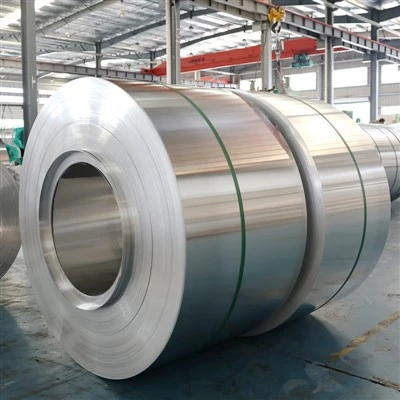
First off, let’s get one thing straight: aluminum isn’t a soundproofing miracle material. If you want a room that’s completely silent, you’re gonna need more than just a sheet of aluminum. Sound works by vibrating air molecules, right? To block it, you need materials that either absorb those vibrations or reflect them away. A lot of people mix up sound insulation with sound absorption, and that’s where the confusion starts. Aluminum coils are really good at reflecting sound—way better than something soft like foam or insulation batts—because metal is dense and rigid. Think about it: if you yell at a metal fence, most of that noise bounces right back at you, instead of seeping through like it would through a thin wooden fence. That’s the core of how aluminum coils handle noise.
Now, let’s get into the nitty-gritty of why that density matters. Sound transmission is measured by something called the Sound Transmission Class (STC) rating. The higher the STC number, the better a material is at blocking sound. Thin aluminum coil sheets—like the ones we use for gutters or small roofing accents—are usually around STC 15 to 20. That’s basically just enough to block quiet street noise, like a whisper or distant bird calls. But if you bump up the thickness of the aluminum coil? That changes everything. A 2mm thick aluminum coil, for example, hits around STC 30 to 35. That’s enough to muffle regular traffic noise, or the hum of a neighbor’s AC unit. If you go even thicker, like 5mm, you’re looking at STC 40-plus— that’s on par with a basic interior wall, good enough to block loud, constant noise like a workshop or a large HVAC system.
Wait, but here’s the catch: aluminum alone isn’t enough for heavy sound. I once had a customer come to me last year, super frustrated because he installed thin aluminum coil on his rooftop to block his commercial fridge’s compressor noise, and it was still loud as ever. Turns out, he’d forgotten that sound doesn’t just go through the surface—it travels through gaps, vibration, and even the frame the aluminum is attached to. That’s where the second part of sound insulation comes in: damping. Aluminum is rigid, so when sound hits it, it vibrates a little, and those vibrations can turn into noise on the other side (that’s called structure-borne sound, which is way harder to block than airborne sound). So if you really want aluminum coils to work for sound, you need to pair them with something that dampens those vibrations. We always recommend adding a layer of closed-cell foam or rubber to the back of the aluminum coil when it’s used for sound-sensitive applications. That foam absorbs the vibrations instead of letting them travel through the metal, and it pushes the STC rating up another 10 to 15 points, easy. A lot of people don’t realize that pairing aluminum with a damping layer is non-negotiable for high-noise environments, not just the aluminum itself.
Let’s talk about where aluminum coils actually shine when it comes to sound. One of the biggest uses we see is in HVAC systems. A lot of commercial buildings use aluminum coils to line the ducts or the external casing of air handlers, because they’re lightweight and durable, and the reflective property of aluminum actually helps with sound too—by bouncing sound waves around inside the ducts, you can reduce the overall rumble that travels through the building. That’s a win-win, because you’re not just blocking noise from the unit, you’re improving airflow efficiency too. We also work with a lot of construction companies that use aluminum coils for wall cladding in urban areas, where traffic noise is a big issue. When paired with a proper underlayment, those walls do a way better job blocking noise than vinyl siding or thin wood, and they hold up way longer in weather. Another big one is industrial enclosures—if a factory has loud machinery, putting thick aluminum coils lined with damping material on the enclosure walls can cut that noise by half, without adding a ton of extra weight to the structure.
But let’s be real, aluminum isn’t for every sound problem. If you need to block very low-frequency noise—like the deep rumble of a subway or a heavy truck on the highway—aluminum coils alone aren’t going to do the trick. Low-frequency sound waves are bigger, and they can bend around thin, dense materials like aluminum. For that, you’d need something thicker and heavier, like lead or concrete, which is way more expensive and less practical for most applications. Also, if you’re using aluminum coils in a place where there are a lot of gaps around them (like a poorly sealed window or a loose wall panel), even the best aluminum won’t help—sound will just seep through the holes. We always tell customers that aluminum is part of a sound insulation system, not the whole thing. It works best when paired with proper sealing, damping layers, and a solid structure to attach it to.
Another thing I get asked a lot: does the finish of the aluminum coil matter? Like, if we use a coated coil vs. a bare one, does that change the sound insulation? The short answer is barely, if at all. The coating on our aluminum coils—whether it’s a paint finish for roofing, a powder coat for cladding, or a polymeric coating for gutters—adds a super thin layer, like 0.05mm max, so it doesn’t do much for sound reflection or absorption. The only time finish matters is if you’re using the aluminum for something like acoustic ceiling panels, where the surface texture might change how sound bounces, but that’s a special application, not the standard aluminum coils we supply.
Let me share a quick example to put this all in perspective. Last year, we worked with a café owner in a busy downtown area who was struggling with noise from the street—customers complained they couldn’t hear each other over the traffic. He initially thought he’d need to rip out all his walls and add heavy concrete, which would’ve been super expensive and disruptive. Instead, we suggested using 3mm thick aluminum coil for interior wall cladding, paired with a 10mm closed-cell foam underlay, plus we added a layer of acoustic caulk around all the seams. The total cost was a fraction of what concrete would’ve been, and when he installed it, he sent me a video a week later saying the noise was gone—you could barely hear a car going by outside, and his customers were actually coming back because they could hold conversations. That’s the kind of win we love, right? Using a common product like aluminum coil to solve a real problem, without overcomplicating things.
Now, I know some of you might be thinking, “Wait, what about residential use? Can aluminum coils help with noise in my house?” Definitely, but you have to pick the right thickness and application. For a bedroom wall that’s facing a busy road, go with 2mm or 3mm aluminum coil paired with foam underlay, that’ll cut traffic noise a lot. If you have a home theater, you can even use thicker 5mm aluminum coil for the back wall, lined with damping material, to keep the sound from escaping into the rest of the house. Just make sure you install it properly—if you leave gaps around the edges, it’s not gonna work. We’ve had a few residential customers try to cut corners by just sticking a sheet of aluminum to the wall without sealing it, and they were surprised it didn’t do much.
One more point I want to cover: aluminum is also really durable, which is a plus for sound insulation long-term. A lot of other sound insulation materials, like foam or wood, degrade over time—foam can get water damage, wood can rot, which makes it less effective at blocking sound. Aluminum, on the other hand, is rust-resistant, UV-resistant, and holds its shape for decades. So once you install it, you don’t have to worry about replacing it in 10 years because it lost its sound-blocking properties. That’s a big selling point, especially for commercial applications where maintenance is a hassle.
At the end of the day, the sound insulation property of aluminum coils boils down to three key factors: thickness, pairing with damping materials, and proper installation. It’s not a silver bullet for every noise problem, but it’s a versatile, cost-effective option for a ton of applications, from commercial HVAC enclosures to residential urban walls. If you’re someone who’s dealing with noise issues and wondering if aluminum coil is the right fit, don’t guess—reach out. I’ve helped hundreds of customers over the years figure out exactly what thickness, finish, and setup they need to solve their noise problem, no pressure, just honest advice.

If you’re looking to source high-quality aluminum coils for sound insulation, or any other project, get in touch with our team to chat through your needs. We can send over samples, break down costs, and help you pick the right setup that works for your space. Don’t let noise ruin your day—aluminum coils can help you block it out, and we’re here to help you make it happen.
Aluminum Sheet/Plate References:
- acoustics.org: Sound Transmission Class (STC) Rating Basics
- Aluminum Association: Aluminum Coil Properties and Applications for Construction
- ASHRAE Handbook: HVAC Systems and Equipment, Sound and Vibration Control
Wuxi Jin Ming Jian De Industry & Trade Co., Ltd.
Wuxi Jin Ming Jian De Industry & Trade Co., Ltd. is one of the most professional aluminum coil manufacturers and suppliers in China, also supports customized service. With abundant experience, we warmly welcome you to wholesale CE approved aluminum coil in stock here from our factory. If you have any enquiry about quotation, please feel free to email us.
Address: 2102-2105, Yuexing Building, Guangnan Road, Liangxi District, Wuxi City, Jiangsu Province, China.
E-mail: info@wxjmjdss.com
WebSite: https://www.jmjdsteelexp.com/
