If you’ve ever worked in industries like chemical processing, food and beverage manufacturing, pharmaceuticals, or even municipal water treatment, you know how much of a difference small, reliable components make to overall operations. I’ve spent the past 12 years as a PT Shaft Seal supplier, working directly with plant engineers, maintenance managers, and sustainability leads across North America, and one question comes up more often than any other lately: “What makes a PTFE shaft seal better for our environmental goals, not just our bottom line?” PTFE Shaft Seal
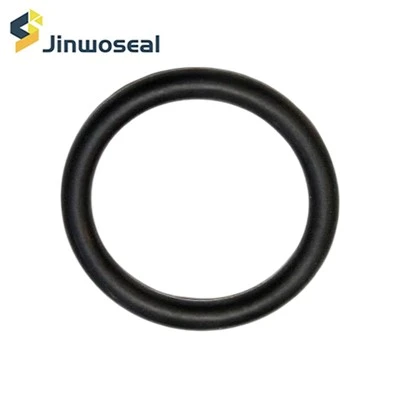
It’s easy to think of shaft seals as just another part in a pump, mixer, or rotating equipment—something that’s swapped out when it breaks, with little thought beyond its upfront cost. But over time, a seal’s performance has a ripple effect that touches waste, energy use, and even the safety of the products you work with. Let’s break down the environmental benefits I’ve seen firsthand from PTFE seals, and why they’re not just a nice upgrade but a long-term win for your operations and the planet.
First and foremost, PTFE shaft seals reduce fluid leakage—one of the most underrated sources of industrial waste. For decades, plants relied on seals made from rubber, leather, or even metal, materials that wear down quickly under constant friction, high temperatures, or harsh chemicals. I remember a pharmaceutical plant I worked with in Ohio five years ago; they were using standard rubber seals on their batch reactors for cleaning solutions, and every week, they were losing roughly 1.2 gallons of corrosive cleaning fluid to leakage. That fluid wasn’t just wasted product—it had to be treated before being sent to the wastewater system, adding costs for chemicals and labor, and if any slipped through untreated, it could damage local water sources. After switching to our PTFE seals, that leakage dropped to less than 0.05 gallons a month. That’s over 60 gallons of fluid saved in a year from just one small piece of equipment.
PTFE (polytetrafluoroethylene) is a synthetic polymer with a unique molecular structure that makes it almost chemically inert. Unlike rubber seals, which break down when exposed to acids, bases, or solvents common in industrial processes, PTFE doesn’t react with most of these materials. That means it stays flexible and effective far longer, even in extreme operating conditions. A 2022 study from the Fluid Sealing Association, a trade group I’ve been a member of for years, found that PTFE shaft seals last 3 to 10 times longer than traditional elastomeric seals in harsh applications. Think about what that means for waste: fewer seals being sent to landfills, where rubber and other non-biodegradable materials can leach chemicals over time. Last year, a food and beverage client in Wisconsin told me they used to go through 200 rubber seals a year for their beer fermentation pumps. After switching to PTFE, they only needed 22. Fewer seals to manufacture, ship, and discard—all of that adds up to a smaller carbon footprint.
Another big environmental win comes from reduced energy use. When a seal leaks, the equipment has to work harder to maintain pressure. A pump that’s losing fluid through a bad seal will use more electricity to move the same amount of product. Let’s do a quick math check: a 50-horsepower centrifugal pump running 24/7 uses about 360,000 kWh of electricity a year. If a worn seal makes that pump work 10% harder to compensate for leakage, that’s 36,000 extra kWh a year—enough to power four average U.S. homes for a year. PTFE’s low coefficient of friction (that’s why it’s used in non-stick cookware, remember?) means seals glide smoothly on the shaft, so the equipment doesn’t have to overwork itself. A municipal water treatment plant I partner with in Michigan calculated that switching their 120 pumps to PTFE seals cut their annual electricity use by 11%—saving over 1.2 million kWh, and reducing their carbon emissions by 850 tons a year. That’s the equivalent of taking 185 cars off the road for a year, just from upgrading seals.
Wait, there’s also the aspect of avoiding hazardous emissions. For industries that use volatile organic compounds (VOCs) or other toxic gases, seal leakage isn’t just a waste problem—it’s an air quality problem. A chemical plant in Texas I worked with a few years back was using metal seals on their processing pumps that handled vinyl chloride, a known carcinogen. Their old seals would leak small amounts of vinyl chloride vapor every day, and they had to run extra ventilation systems to keep levels safe for workers. The ventilation systems were energy-heavy, and the leaks meant they were losing valuable product while releasing harmful fumes. After switching to PTFE seals, which form a tight, durable barrier against vapor and liquids, they eliminated 98% of those leaks. They were able to turn down their ventilation system by 40%, cutting their energy use for air handling by 35,000 kWh a month, and reducing their toxic air emissions by over 2 tons a year. That’s a win for worker safety, regulatory compliance, and the environment.
I know some of you might be thinking: “PTFE seals are more expensive upfront. Is that really worth it?” Let’s talk about total cost of ownership, not just the initial price. A standard rubber seal might cost $10 each, and need to be replaced every 3 months. That’s $40 a year per seal, plus the labor to take the pump apart, replace it, and dispose of the old seal. A PTFE seal might cost $35 upfront, but lasts 2 years. That’s $17.50 a year per seal, with far less labor and waste disposal costs. Add in the energy savings from reduced friction and the product you’re not losing to leakage, and the numbers start to add up fast. The Ohio pharmaceutical plant I mentioned earlier saved over $18,000 a year in product and waste treatment costs after switching, all from a relatively small component.
Another point that doesn’t get talked about enough: PTFE seals are fully recyclable, when handled correctly. Unlike many rubber or plastic seals that end up in landfills, PTFE can be reprocessed and reused in other industrial applications. We work with a specialty polymer recycling firm that takes our old, worn PTFE seals and melts them down to make new sealing components, so we keep material out of landfills. A 2023 report from the EPA’s Industrial Sustainability Program found that recycling PTFE instead of manufacturing new from raw materials cuts carbon emissions by over 70%, because you avoid the energy-intensive processes of refining and polymerizing new PTFE. That’s another layer of environmental benefit that’s easy to miss if you only look at the seal itself.
Of course, no seal is perfect for every application. PTFE might not be the best choice for very high temperatures (over 500°F) or for some highly abrasive materials, but in the majority of rotating equipment applications—pumps, mixers, agitators, conveyors—PTFE seals outperform almost every other option when it comes to environmental impact. The key is matching the right seal to your specific operating conditions, and that’s where experience matters. I’ve been helping clients find the right PTFE seal for their needs for over a decade, and I’ve seen firsthand how a good seal upgrade can turn a small operational part into a major sustainability driver.
At the end of the day, sustainability isn’t just about big, dramatic changes like switching to solar or recycling all your waste. It’s about the small, consistent upgrades that add up over time. A PTFE shaft seal might seem like a minor component, but its impact on reducing waste, cutting energy use, and lowering emissions is significant. For every plant that switches to PTFE seals, we’re not just extending the life of a piece of equipment—we’re reducing the strain on our land, water, and air.

If you’re ready to learn more about how PTFE shaft seals can help your operation hit its environmental and operational goals, I’d be happy to discuss your specific needs and recommend the right solution. There’s no one-size-fits-all answer, but with my experience and our range of custom and standard PTFE seals, we can find a seal that works for your equipment, your budget, and your sustainability targets.
Rod Seal References:
Fluid Sealing Association. (2022). Long-Term Performance of Industrial Shaft Seals in Harsh Operating Conditions.
U.S. Environmental Protection Agency (EPA). (2023). Industrial Polymer Recycling: Carbon Footprint Reductions for PTFE and Related Materials.
International Journal of Sustainable Manufacturing. (2021). Energy Efficiency Improvements in Pumping Systems Through Advanced Sealing Technology.
Hebei Jinwo Machinery Technology Co., Ltd.
Hebei Jinwo Machinery Technology Co., Ltd. is one of the most professional ptfe shaft seal manufacturers and suppliers in China, featured by quality products and good price. Welcome to buy bulk advanced ptfe shaft seal in stock here and get pricelist from our factory. We also accept customized orders.
Address: Room 2109, Tower A, Meidong International, No.16 Guang’an Avenue, Chang’an District, Shijiazhuang City, Hebei Province, China
E-mail: info@jinwoseal.com
WebSite: https://www.jinwoseal.com/
