Hey there! I’m a supplier of wool optical brighteners, and I often get asked how these brighteners stack up against fluorescent whitening agents. So, I thought I’d take a moment to break it down for you in a way that’s easy to understand. Wool Optical Brightener

First off, let’s talk about what these things are. Wool optical brighteners are substances specifically designed to enhance the whiteness of wool fibers. They work by absorbing ultraviolet light and re – emitting it as visible blue light. This blue light counteracts the yellowish tint that wool can sometimes have, making it look brighter and cleaner.
On the other hand, fluorescent whitening agents are a broader category. They can be used on a variety of materials, not just wool. These agents also absorb UV light and emit visible light, usually in the blue – violet range. They’re commonly found in laundry detergents, paper products, and even some plastics.
Performance on Wool
When it comes to performance on wool, wool optical brighteners have a clear edge. Wool is a natural fiber with a unique structure. Wool optical brighteners are formulated to interact well with the protein structure of wool. They bond to the fibers in a way that provides long – lasting whitening effects.
Fluorescent whitening agents, while they can whiten wool to some extent, may not be as effective. Since they’re designed for a wide range of materials, they might not have the specific affinity for wool fibers that a dedicated wool optical brightener does. For example, when you use a fluorescent whitening agent on wool, the whitening effect might fade more quickly after a few washes.
Safety Considerations
Safety is always a big concern, especially when it comes to products that come in contact with our clothing. Wool optical brighteners are generally considered safe for use on wool. They’re designed to be stable and non – toxic. They don’t cause any significant harm to the wool fibers themselves, and they’re also safe for human skin.
Fluorescent whitening agents can vary in terms of safety. Some of them are perfectly safe, but there have been concerns about certain types. Some fluorescent whitening agents may not be biodegradable, which can have an impact on the environment. Also, in rare cases, they might cause skin irritation, especially for people with sensitive skin.
Cost – Effectiveness
In terms of cost – effectiveness, it depends on your specific needs. Wool optical brighteners are more specialized, so they might be a bit more expensive upfront. However, considering their long – lasting effects on wool, they can actually be more cost – effective in the long run. You won’t have to keep reapplying them as often as you might with a general fluorescent whitening agent.
Fluorescent whitening agents are usually cheaper, but if you’re using them on wool, you may need to use them more frequently to maintain the desired level of whiteness. This can end up costing you more in the long term.
Environmental Impact
Let’s talk about the environment. Wool optical brighteners are often formulated to be more environmentally friendly. They’re designed to break down more easily in the environment, which is great for reducing pollution. They also require less frequent application, which means less waste in the long run.
Fluorescent whitening agents, as I mentioned earlier, can vary. Some are biodegradable, but others are not. If you’re using a non – biodegradable fluorescent whitening agent on wool, it can end up in waterways and cause environmental problems.
Compatibility with Dyeing and Finishing Processes
Wool optical brighteners are highly compatible with the dyeing and finishing processes of wool. They can be easily incorporated into the existing production line. They don’t interfere with the dyeing process, and they can actually enhance the overall appearance of the dyed wool.
Fluorescent whitening agents may not be as compatible. They might react with the dyes used in the wool, causing color changes or uneven results. This can be a real headache for manufacturers who are trying to achieve consistent and high – quality products.
Aesthetic Appeal
The aesthetic appeal of wool treated with wool optical brighteners is really something. The whitening effect is more natural – looking. It gives the wool a soft, bright glow that makes it look more luxurious.
Fluorescent whitening agents can sometimes give a more artificial – looking whiteness. It can look a bit too bright or harsh, especially in certain lighting conditions.
Application Methods
Applying wool optical brighteners is relatively straightforward. They can be applied during the scouring process of wool, which is when the wool is cleaned before further processing. They can also be added during the dyeing or finishing stages.
Fluorescent whitening agents can be applied in different ways, depending on the product. For example, if it’s in a laundry detergent, you just wash your wool items as usual. But if you’re using it in a manufacturing setting, the application process might be more complex and less tailored to wool.
Durability
Wool optical brighteners offer excellent durability. Once they’re applied to the wool fibers, they can withstand multiple washes and wear. This means that the wool will stay white and bright for a long time.
Fluorescent whitening agents may not be as durable. The whitening effect can start to fade after a few washes, especially if the agent is not specifically designed for wool.
Customization
As a supplier of wool optical brighteners, I can offer a high level of customization. We can adjust the formula to meet the specific needs of different wool products. Whether it’s a fine merino wool or a coarser wool blend, we can create a brightener that works best for it.
Fluorescent whitening agents are more of a one – size – fits – all solution. They may not be able to be customized to the same extent for different types of wool.
Conclusion
In conclusion, when it comes to whitening wool, wool optical brighteners are the way to go. They offer better performance, safety, cost – effectiveness, environmental friendliness, compatibility, aesthetic appeal, durability, and customization compared to fluorescent whitening agents.
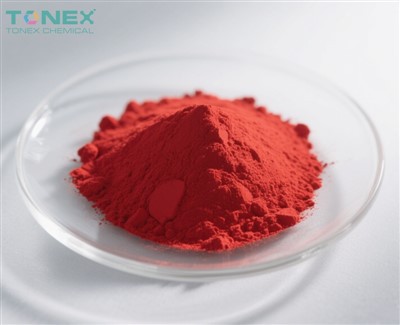
If you’re in the business of wool production, whether it’s making clothing, blankets, or other woolen products, I highly recommend considering wool optical brighteners. They can really take your products to the next level in terms of quality and appearance.
White Masterbatch If you’re interested in learning more about our wool optical brighteners or want to discuss a potential purchase, feel free to reach out. We’re always happy to have a chat and see how we can help you with your wool – whitening needs.
References
- Textile Chemistry: Fundamentals, Processes, and Testing by R. M. Christie
- Handbook of Fiber Science and Technology: Volume III – High – Performance Fibers by Mark, J. E., & Atlas, S.
Jinan Tonex Chemical Co., Ltd.
We’re well-known as one of the leading wool optical brightener manufacturers and suppliers in China. With abundant experience, we warmly welcome you to buy bulk high quality wool optical brightener for sale here from our factory. For price consultation, contact us.
Address: No.3699 Huayuan East Road, Jinan, Shandong, China
E-mail: yama@tonexchem.com
WebSite: https://www.tonexoba.com/
