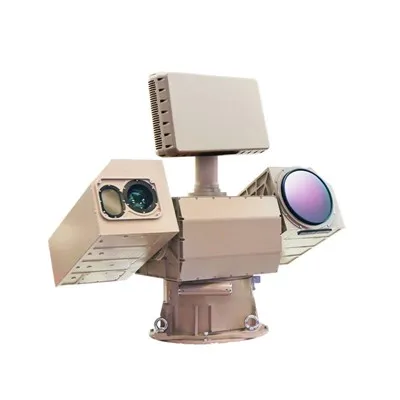
As a supplier of Gimbal & Turret Structural Parts, I’ve witnessed firsthand how crucial shock resistance is in these components. Gimbals and turrets are used in a wide array of applications, from military equipment to high – end camera systems. In these scenarios, they must withstand various levels of shock and vibration without compromising their functionality. In this blog, I’ll share some effective strategies to improve the shock resistance of gimbal and turret structural parts. Gimbal & Turret Structural Parts
Material Selection
The choice of materials is the cornerstone when it comes to enhancing shock resistance. High – strength alloys are often the top pick. For example, titanium alloys are renowned for their excellent strength – to – weight ratio. They can absorb a significant amount of shock energy while maintaining their structural integrity. Titanium alloys also have good corrosion resistance, which is beneficial for gimbals and turrets used in harsh environments.
Aluminum alloys are another popular option. They are lightweight, which is advantageous for applications where weight is a critical factor, such as in airborne systems. Some advanced aluminum alloys have been engineered to have enhanced shock absorption properties. For instance, aluminum – lithium alloys not only reduce weight but also improve the material’s ability to dampen shock.
Composite materials are also emerging as a game – changer. Carbon fiber composites, in particular, offer high stiffness and strength. They can be designed to have specific shock – absorbing characteristics by adjusting the fiber orientation and resin matrix. The anisotropic nature of carbon fiber composites allows engineers to tailor the material’s properties according to the expected shock directions in the gimbal or turret.
Structural Design
The design of the gimbal and turret structural parts plays a vital role in shock resistance. One effective design approach is the use of honeycomb structures. Honeycomb cores are lightweight yet extremely strong. They can distribute shock loads evenly across the structure, preventing localized stress concentrations. When integrated into the design of gimbals and turrets, honeycomb structures can significantly enhance their ability to withstand shock.
Reinforced ribs are another design element that can improve shock resistance. By adding ribs to critical areas of the structure, such as the base or the mounting points, the overall stiffness of the component can be increased. This helps to resist deformation under shock loads. The shape and placement of the ribs need to be carefully optimized based on the specific shock conditions the part will encounter.
Flexible joints can also be incorporated into the design. These joints can act as shock absorbers, allowing for a certain degree of movement when a shock occurs. This helps to dissipate the shock energy and reduce the impact on the main structure. For example, in a camera gimbal, flexible joints can prevent the camera from being damaged by sudden jolts.
Manufacturing Processes
The manufacturing process can have a significant impact on the shock resistance of gimbal and turret structural parts. Precision machining is essential to ensure that the parts are made to the exact specifications. Any dimensional inaccuracies can lead to stress concentrations and weaken the shock – absorbing ability of the component.
Heat treatment is another critical process. It can improve the mechanical properties of the material, such as hardness and toughness. For example, quenching and tempering of steel components can increase their strength and ductility, making them more resistant to shock. The heat treatment parameters need to be carefully controlled to achieve the desired properties.
Surface treatment can also enhance shock resistance. Coating the parts with a shock – absorbing material can provide an additional layer of protection. For example, rubber or polymer coatings can absorb some of the shock energy and reduce the impact on the underlying structure.
Testing and Validation
Before the gimbal and turret structural parts are put into use, thorough testing and validation are necessary. Shock testing can be performed using specialized equipment to simulate real – world shock conditions. This includes drop tests, vibration tests, and impact tests.
During the shock testing, various sensors can be used to measure parameters such as acceleration, stress, and strain. This data can be analyzed to evaluate the performance of the parts under shock. If any weaknesses are identified, the design or manufacturing process can be adjusted accordingly.
Finite element analysis (FEA) is also a valuable tool in the testing and validation process. FEA software can simulate the shock behavior of the parts and predict stress distributions. This allows engineers to optimize the design before physical prototypes are made, saving time and cost.
Quality Control
Maintaining strict quality control throughout the production process is essential for ensuring high shock resistance. This includes inspecting the raw materials for any defects, monitoring the manufacturing processes to ensure compliance with specifications, and conducting final inspections of the finished parts.
Quality control personnel should be trained to identify any potential issues that could affect the shock resistance of the parts. For example, they should be able to detect surface defects, dimensional inaccuracies, or improper heat treatment. By catching these issues early, the overall quality of the gimbal and turret structural parts can be improved.
Collaboration with Customers
Collaborating closely with customers is crucial in improving the shock resistance of gimbal and turret structural parts. Customers can provide valuable insights into the specific shock conditions the parts will encounter in their applications. This information can be used to optimize the design and manufacturing processes.
We can also work with customers to develop customized solutions. For example, if a customer has a unique shock environment, we can design and manufacture parts that are specifically tailored to meet their requirements. This collaborative approach ensures that the final products meet or exceed the customer’s expectations in terms of shock resistance.
Conclusion
Improving the shock resistance of gimbal and turret structural parts requires a comprehensive approach that encompasses material selection, structural design, manufacturing processes, testing and validation, quality control, and collaboration with customers. By implementing these strategies, we can produce high – quality parts that can withstand the most challenging shock conditions.
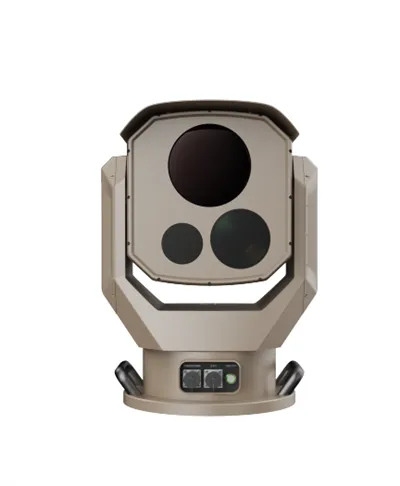
Electro-optic POD If you’re in the market for gimbal and turret structural parts with excellent shock resistance, we’d love to have a conversation with you. Whether you’re developing a new product or looking to upgrade your existing components, our team of experts can provide you with the solutions you need. Contact us to start a procurement discussion and explore how we can meet your specific requirements.
References
- Aerospace Structural Metals Handbook.
- Composite Materials Handbook: Guide for Design, Manufacturing, and Testing.
- Shock and Vibration Handbook (Second Edition)
Xi’an Zhongke Lead Ir-Tech Co., Ltd.
We are one of the most experienced gimbal & turret structural parts manufacturers in China, specialized in providing high quality OEM products with the industrial grade. We warmly welcome you to wholesale high performance gimbal & turret structural parts at an affordable price from our factory.
Address: Building 8,Hard Technology Enterprise Community No.3000,Biyuan 2nd Rd,High-Tech Zone Xi’an,Shaanxi,China
E-mail: sales@lead-ir.com
WebSite: https://www.leadinfrared.com/
