Can Right Angle & Worm Gearboxes Be Used in Robotic Applications?
As a supplier of right angle and worm gearboxes, I’ve had numerous conversations with engineers and robotics enthusiasts about the potential of these gearboxes in robotic applications. The short answer is yes, right angle and worm gearboxes can indeed be used in robotics, and they offer several unique advantages that make them well – suited for a variety of robotic tasks. Right Angle & Worm Gearboxes
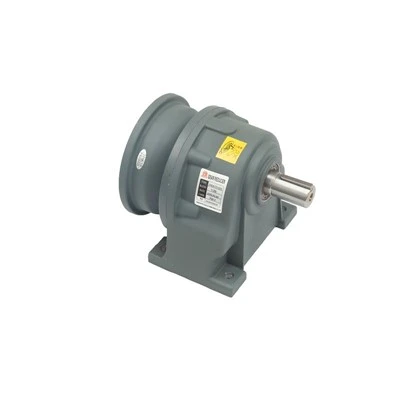
Understanding Right Angle and Worm Gearboxes
Before delving into their applications in robotics, let’s briefly understand what right angle and worm gearboxes are.
A right angle gearbox, as the name suggests, changes the direction of the input shaft by 90 degrees. This is extremely useful in applications where space is limited or when the mechanical layout requires a change in the power transmission direction. There are different types of right angle gearboxes, such as bevel gearboxes and hypoid gearboxes. Each type has its own characteristics in terms of efficiency, torque capacity, and noise level.
On the other hand, a worm gearbox consists of a worm (a screw – like gear) and a worm wheel. The worm meshes with the worm wheel, and when the worm rotates, it causes the worm wheel to turn. One of the key features of worm gearboxes is their ability to provide high reduction ratios in a relatively compact design. Additionally, they often have self – locking capabilities, which means that the output shaft cannot easily drive the input shaft, providing a form of mechanical braking.
Advantages of Using Right Angle and Worm Gearboxes in Robotics
Space – Saving Design
In the field of robotics, space is often at a premium. Robots need to be as compact as possible without sacrificing functionality. Right angle gearboxes allow for a more efficient use of space by changing the direction of power transmission. For example, in a robotic arm, a right angle gearbox can be used to transfer power from a motor located at the base of the arm to a joint that needs to rotate perpendicular to the motor’s axis. This eliminates the need for long, straight shafts that would take up more space and potentially add unnecessary weight.
Worm gearboxes are also known for their compactness. Their ability to provide high reduction ratios in a small package makes them ideal for applications where a large amount of torque is required in a limited space. For instance, in a small – scale industrial robot used for pick – and – place operations, a worm gearbox can be used to drive the gripper mechanism, providing the necessary force to hold and manipulate objects without taking up too much room.
High Torque Transmission
Robots often need to perform tasks that require a significant amount of torque, such as lifting heavy objects or moving large loads. Right angle and worm gearboxes are capable of transmitting high levels of torque. The meshing of gears in a right angle gearbox can be designed to handle large forces, and the gear teeth can be optimized for efficient torque transfer.
Worm gearboxes are particularly well – suited for high – torque applications. The worm and worm wheel design allows for a large number of teeth in contact at any given time, which distributes the load evenly and enables the gearbox to handle high torque levels. This makes them a popular choice for heavy – duty robots, such as those used in automotive manufacturing for tasks like welding or assembly.
Precision and Control
Precision is crucial in robotics, especially when it comes to tasks that require accurate positioning and movement. Right angle and worm gearboxes can provide smooth and precise power transmission. The gears in a right angle gearbox can be manufactured to very tight tolerances, ensuring minimal backlash (the amount of play between the gears). Low backlash is essential for accurate control of the robot’s movements, as it reduces any delay or inaccuracy in the response of the system.
Worm gearboxes also offer good precision. Their self – locking feature can be used to hold a robot in a specific position without the need for additional braking mechanisms. This is particularly useful in applications where the robot needs to maintain a fixed position for an extended period, such as in a surveillance robot or a robotic inspection system.
Noise Reduction
In many robotic applications, noise is an important consideration. Excessive noise can be a nuisance in a work environment and may also indicate mechanical problems within the robot. Right angle gearboxes can be designed to operate quietly. Specialized gear materials and tooth profiles can be used to reduce the noise generated during gear meshing.
Similarly, worm gearboxes often operate relatively quietly. The sliding action between the worm and the worm wheel is smooth, which helps to minimize noise compared to some other types of gearboxes. This makes them suitable for applications where a quiet operation is required, such as in service robots used in hospitals or offices.
Applications of Right Angle and Worm Gearboxes in Robotics
Industrial Robots
Industrial robots are widely used in manufacturing for tasks such as assembly, painting, and material handling. Right angle and worm gearboxes play a crucial role in these robots. In assembly robots, right angle gearboxes can be used to drive the joints of the robot arm, allowing for precise movement and positioning of components. Worm gearboxes can be used to provide the high torque required for gripping and holding objects during the assembly process.
Service Robots
Service robots are designed to perform tasks in various environments, such as homes, offices, and public spaces. These robots often need to be compact, quiet, and precise. Right angle gearboxes can help in achieving a more streamlined design by efficiently routing the power from the motors to different parts of the robot. For example, in a floor – cleaning robot, a right angle gearbox can be used to drive the brushes at a perpendicular angle to the motor’s axis. Worm gearboxes can be used to provide the necessary torque for the robot to move over different surfaces and to hold stationary when required.
Medical Robots
Medical robots are used in surgical procedures, patient care, and medical research. These robots require high precision, reliability, and often a quiet operation. Right angle gearboxes can be used in robotic surgical arms to provide the necessary range of motion and precise control. Worm gearboxes can be incorporated into devices such as robotic infusion pumps to ensure accurate and stable dosing of medications.
Challenges and Considerations
While right angle and worm gearboxes offer many advantages in robotic applications, there are also some challenges and considerations to keep in mind.
Efficiency
Both right angle and worm gearboxes can have lower efficiency compared to some other types of gearboxes. The sliding action in a worm gearbox, in particular, can result in higher frictional losses. This means that more electrical power may be required to achieve the same amount of output work. However, advancements in gear materials and lubrication technologies are helping to improve the efficiency of these gearboxes.
Heat Generation
The lower efficiency of these gearboxes can also lead to heat generation. Excessive heat can affect the performance and lifespan of the gearbox. In robotic applications, it is important to design adequate cooling systems or use gearbox designs that are more resistant to heat.
Maintenance
Regular maintenance is required to ensure the proper functioning of right angle and worm gearboxes. This includes lubrication, inspection of gear teeth for wear, and alignment checks. In a robotic system, downtime for maintenance should be minimized, so it is important to have a well – planned maintenance schedule.
Conclusion
In conclusion, right angle and worm gearboxes are highly suitable for a wide range of robotic applications. Their space – saving design, high torque transmission, precision, and noise – reduction capabilities make them valuable components in various types of robots. While there are challenges such as efficiency, heat generation, and maintenance, these can be addressed through proper design, material selection, and maintenance practices.

If you are involved in robotics development and are looking for reliable right angle and worm gearboxes, we are here to help. Our team of experts can provide you with the right gearbox solutions tailored to your specific requirements. Whether you need a high – torque worm gearbox for a heavy – duty industrial robot or a compact right angle gearbox for a service robot, we have the expertise and resources to meet your needs. Don’t hesitate to contact us to discuss your project and explore how our gearboxes can enhance the performance of your robots.
References
Parallel Shaft Gearboxes Craig, J. J. (2005). Introduction to Robotics: Mechanics and Control. Pearson Prentice Hall.
Meschke, G., & Singh, R. (2008). Handbook of Noise and Vibration Control. Wiley.
Schneider, S. (2012). Industrial Robotics: Technology, Programming, and Applications. Cengage Learning.
GuangDong Ruisico Transmission Technology Co., Ltd.
Guangdong Ruisico Transmission Technology Co., Ltd. is one of the most reliable right angle & worm gearboxes manufacturers and suppliers in China, also supports customized service. Welcome to buy durable right angle & worm gearboxes made in China here and get quotation from our factory. For price consultation, contact us.
Address: No. 70, Anjing Road, Shengfeng Community, Xiaolan Town, Zhongshan City
E-mail: info@risc-drive.com
WebSite: https://www.risc-motor.com/
