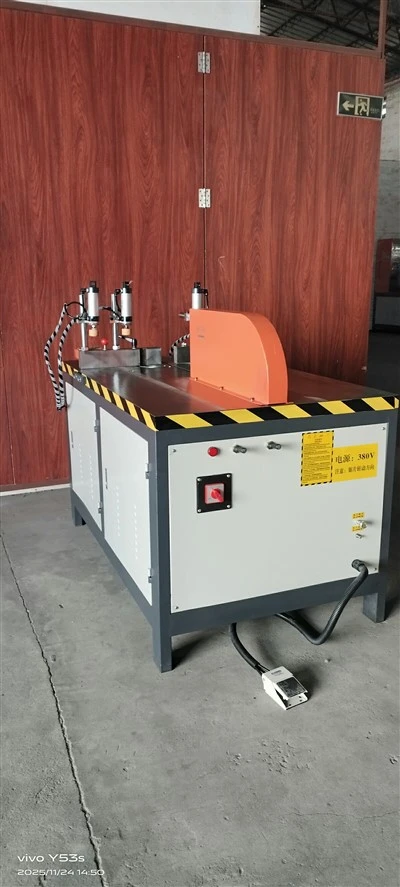
As a supplier of single head aluminium cutters, I’ve been deeply involved in the industry for years, witnessing firsthand how blade quality can make or break a cutter’s performance. In this blog, I’ll delve into the various aspects of how blade quality impacts the performance of a single head aluminium cutter. Single Head Aluminium Cutter
1. Precision and Accuracy
The precision and accuracy of a single head aluminium cutter are crucial, especially when dealing with high – end aluminium products that require tight tolerances. A high – quality blade is manufactured with extreme precision. The cutting edge of a well – made blade has a consistent geometry, which means that it can make clean and accurate cuts every time.
When the blade quality is poor, the cutting edge may be uneven. This unevenness can lead to variations in the cut width, depth, and angle. For example, in the production of aluminium frames for windows, an inaccurate cut can result in frames that don’t fit together properly, leading to gaps and leaks. A high – quality blade ensures that each cut is within the specified tolerance, reducing waste and improving the overall quality of the finished product.
Moreover, the sharpness retention of a good blade is essential for maintaining precision. A sharp blade cuts through the aluminium smoothly, without causing the material to deform or shift. As the blade wears down, the cutting forces increase, which can lead to the workpiece moving slightly during the cutting process. This movement can cause inaccuracies in the cut, making it difficult to achieve the desired dimensions. A blade made from high – grade materials with advanced coating technologies can maintain its sharpness for a longer period, ensuring consistent precision throughout the cutting operation.
2. Cutting Speed and Efficiency
The quality of the blade directly affects the cutting speed and efficiency of a single head aluminium cutter. A high – quality blade is designed to cut through aluminium with minimal resistance. It has a sharp and well – honed cutting edge that can quickly penetrate the material. This allows the cutter to operate at higher speeds, significantly reducing the cutting time per piece.
For instance, in a mass – production environment where thousands of aluminium profiles need to be cut every day, even a small increase in cutting speed can lead to substantial savings in time and labor costs. A poor – quality blade, on the other hand, may have a dull or chipped cutting edge. This requires more force to cut through the aluminium, which not only slows down the cutting process but also puts additional stress on the cutter’s motor and other components.
In addition, a good blade is more efficient in terms of energy consumption. Since it cuts through the material with less resistance, the cutter motor doesn’t have to work as hard. This results in lower energy consumption and reduces the overall operating costs of the single head aluminium cutter. Energy – efficiency is becoming an increasingly important factor for businesses, as it not only helps to reduce costs but also has a positive environmental impact.
3. Surface Finish
The surface finish of the cut aluminium is another area where blade quality plays a significant role. A high – quality blade leaves a smooth and clean surface on the aluminium after cutting. The sharp cutting edge of the blade severs the material cleanly, without causing any burrs or rough edges. This is particularly important in applications where the appearance of the aluminium is critical, such as in architectural and decorative uses.
When using a low – quality blade, the cutting process may be less smooth, resulting in burrs and rough surfaces. These burrs need to be removed through additional finishing processes, which adds to the production time and cost. Moreover, rough surfaces can also affect the functionality of the aluminium parts. For example, in mechanical assemblies, rough surfaces can cause friction and wear, reducing the lifespan of the components.
The coating on a high – quality blade can also contribute to a better surface finish. Some coatings are designed to reduce friction between the blade and the aluminium, allowing for a smoother cutting action. This further enhances the surface quality of the cut aluminium.
4. Blade Life and Cost – Effectiveness
Blade life is a key consideration for any business using a single head aluminium cutter. A high – quality blade is made from durable materials and is designed to withstand the rigors of continuous cutting. It has a longer lifespan compared to a low – quality blade, which means that it doesn’t need to be replaced as frequently.
Although high – quality blades may have a higher upfront cost, they are more cost – effective in the long run. The reduced frequency of blade replacement not only saves on the cost of new blades but also reduces the downtime associated with blade changes. In a production environment, downtime can be extremely costly, as it disrupts the workflow and reduces productivity.
For example, a business that uses a low – quality blade may need to replace the blade every few days, while a high – quality blade can last for weeks or even months under the same operating conditions. This means that the business can save a significant amount of money on blade purchases and maintenance over time.
5. Compatibility with the Cutter
A high – quality blade is designed to be fully compatible with the single head aluminium cutter. It fits precisely into the cutter’s blade holder, ensuring a secure and stable connection. This is important for the safe and efficient operation of the cutter.
If the blade is not a good fit, it can cause vibrations during the cutting process. These vibrations can not only affect the quality of the cut but also put additional stress on the cutter’s components, leading to premature wear and tear. A well – made blade is engineered to match the specifications of the cutter, minimizing vibrations and maximizing performance.
In addition, the design of the blade may be optimized for the specific cutting mechanism of the single head aluminium cutter. For example, some cutters use a specific type of cutting motion, and a high – quality blade may be designed to work in harmony with this motion, resulting in better cutting performance.
Conclusion
In conclusion, the blade quality has a profound impact on the performance of a single head aluminium cutter. From precision and accuracy to cutting speed, surface finish, blade life, and compatibility, a high – quality blade offers numerous advantages over a low – quality one.
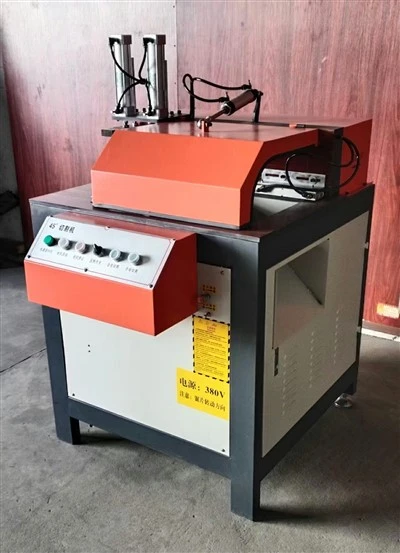
As a supplier of single head aluminium cutters, I understand the importance of providing customers with the best – quality blades. We are committed to sourcing and manufacturing blades that meet the highest standards, ensuring that our customers can achieve optimal performance from their single head aluminium cutters.
Cutting Machine If you are in the market for a single head aluminium cutter or are looking to upgrade your existing cutter’s blades, I encourage you to contact me. We can discuss your specific requirements and find the best solution for your business. Whether you are working on small – scale projects or large – scale mass production, we have the expertise and products to meet your needs. Let’s start a conversation about how we can improve your cutting operations together.
References
- "Metal Cutting Handbook", Industrial Press Inc.
- "Cutting Tool Engineering Fundamentals", Society of Manufacturing Engineers
- Research papers on aluminium cutting technology published in international journals of manufacturing and materials science.
Kanghong Building Materials Technology Sdn. Bhd.
As one of the most professional single head aluminium cutter manufacturers and suppliers in China, we have world-leading production equipment and strong manufacturing capabilities. Please feel free to wholesale advanced single head aluminium cutter for sale here from our factory. Customized orders are welcome.
Address: No.601, Block 2, Xinlianchang Industrial Park, No.2 Taixing Second Road, Taiping South Industrial Zone, Dali Town, Nanhai District, Foshan City
E-mail: 631871392@qq.com
WebSite: https://www.kanghong-building.com/
